

I have spent years helping players understand the boundary between enjoyment and risky habits, and I can tell you that self-assessment tools are among the least utilized yet effective resources available https://cazeuskasino.eu/responsible-gambling. These tools are not centered on judgment or shame; they are gentle, confidential moments of clarity that can safeguard your health before small habits grow into larger concerns. At Cazeus Casino, we incorporate such tools directly into our responsible gambling system because we trust that knowledgeable players make safer decisions. When you stop to reflect on sincere questions about duration, funds, and emotional state, you assume control. This article will lead you through all you need to understand about self-assessment, from the mechanics of these tools to the steps you can take with the findings you acquire. My aim is to make you feel prepared, not concerned.
Why Self-Assessment Is Important in Online Gaming
I often liken self-assessment to a routine health check. You might seem perfectly fine, yet a simple screening can catch something early. The same applies for your gaming habits. Online platforms are designed to be immersive, and it is entirely human to lose track of time or use a little more than planned on occasion. Self-assessment tools break through that fog by offering you objective, structured questions that highlight patterns you might otherwise miss. They matter because the shift from recreational play to problematic behaviour is rarely sudden. It sneaks in through small justifications: “just one more round,” or “I’ll win it back.” By regularly using these tools, you develop self-awareness, which is the foundation of sustainable, safe entertainment. At Cazeus Casino, we see self-assessment not as a one-time test but as an ongoing conversation with yourself.
What makes these tools truly valuable is their capacity to bypass our natural defences. When a friend or family member expresses concern, we might become defensive. A neutral, private questionnaire, however, simply returns what you tell it. There is no external pressure, no stigma. I have witnessed players experience profound realisations simply by answering ten honest questions in a quiet moment. That personal insight is far more powerful than any lecture. Self-assessment allows you to set your own boundaries before anyone else has to step in, maintaining both your enjoyment and your peace of mind.
Taking the Self-Assessment: A Detailed Guide
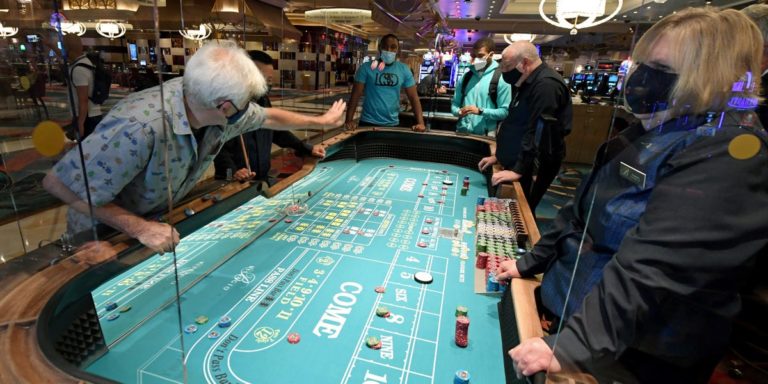
I want you to treat the self-assessment not as a test you can pass or fail, but as a personal audit. Here is the process I recommend, based on what I have seen work best for players at Cazeus Casino and beyond. First, locate a quiet space where you will not be interrupted. Turn off your phone and minimize other tabs. The goal is to respond with complete honesty, and that requires a calm mind. Second, read each question slowly. Do not hasten. The questions are simple, but they warrant your full attention. Third, answer based on your typical behaviour over the past few months, not just the last few days. A single unusual weekend should not distort the picture.
- Allocate five uninterrupted minutes in a comfortable environment.
- Reflect on the last three months rather than isolated events.
- Respond to every question truthfully, even if the answer feels uncomfortable.
- Do not attempt to aim for a “good” score; the tool works only if you are genuine.
- After completing, take a moment to breathe before examining the result.
Once you complete the assessment, the platform will display your risk category. At Cazeus Casino, we guarantee that this result is followed by clear, non-alarming explanations and direct links to further support if needed. I suggest you to record or note down your result somewhere private so you can match it with future assessments. This transforms a single snapshot into a meaningful trend line. Bear in mind, a moderate-risk result is not a catastrophe; it is a helpful nudge to adjust your habits while you still have full control. Undergoing the assessment is an act of self-care, not self-criticism.
Recognizing the Initial Signs
Before you actually open a self-assessment tool, it assists to know what faint signals might point to a evolving relationship with gaming. I often tell players that the first warning signs are mental, not monetary. You might detect a increasing preoccupation with your following session, irritability when you are unable to play, or a sense of emptiness after logging off. Sleep disruption, neglecting meals, or repeatedly thinking about past losses are also common flags. These signs do not mean you have a problem, but they imply that gaming is beginning to occupy more mental space than is healthy. Self-assessment tools are designed to detect these very signals by prompting you to reflect on feelings you might have overlooked.
Another crucial area is the weakening of limits you once established for yourself. Perhaps you promised to spend only a particular amount each week, but you find yourself topping up your account “just this once” with increasing regularity. Or you planned to play for an hour, and all of a sudden three have passed. I have observed many logical, regulated individuals fall into this pattern without noticing it. The benefit of early recognition is that small changes at this stage can fully restore balance. Self-assessment gives you a structured way to spot these shifts before they become entrenched, which is why I suggest using the tool even when you feel everything is fine.
Interpreting Your Results Without Panic
When the screen shows your result, your first reaction might be a flutter of anxiety. I appreciate that. Viewing words like “moderate risk” or “high risk” can feel intimidating. But I want to recast that moment. These labels are not final verdicts on your character; they are simply data points that describe your current behaviour patterns. A low-risk result means your gaming is likely a balanced leisure activity. A moderate-risk result implies some habits need attention, but with small changes, you can move to safer play. Even a high-risk indication is not a life sentence. It is a strong signal that it is time to reach for the support structures that already exist around you.
I always remind players that self-assessment tools have a margin of error. They are based on your own perception, and sometimes we are either too tough or too easy on ourselves. If your result surprises you, consider retaking the assessment in a week after you have had time to observe your behaviour more closely. Also, look at the specific areas where your score was elevated. Was it chasing losses? Being dishonest to loved ones? Borrowing money to play? Each flagged area highlights a concrete action you can take. At Cazeus Casino, we provide personalized recommendations alongside your result, such as setting deposit limits or taking a short break, so you never encounter the numbers alone without a path forward.

Practical Steps After Self-Assessment
When you have your result, the most important thing is to respond to it in a way that is doable. I rarely advise extreme, all-or-nothing actions immediately except if the assessment clearly suggests immediate risk. Alternatively, start with one or two tangible modifications. If you scored high on time-related questions, use the session limit tools that Cazeus Casino provides to restrict your daily play. Should financial markers were prominent, define a rigid weekly deposit maximum that you cannot change in the thick of the moment. These built-in safety functions exist precisely for this purpose, and I have observed them change a gambler’s experience from anxiety-filled to genuinely enjoyable.
Concerning those for whom findings suggest a more profound issue, I strongly urge contacting professional support. Organisations like GamCare, Gambling Therapy, and local helplines offer no-cost, confidential counseling that enhances the self-assessment procedure. At Cazeus Casino, we also have a self-exclusion feature that allows you to take a break fully for a specific duration. There is no stigma in using it; many gamblers return after a break with a far healthier perspective. The key is to consider the self-assessment score as the beginning of a active path, not the finish. You at this point possess a guide; the subsequent step is to follow the road with the resources and help accessible to you.
The way Self-Assessment Tools Function
At their core, self-assessment tools are carefully designed questionnaires built on established psychological frameworks. They typically ask about frequency, financial impact, emotional responses, and the degree to which gaming interferes with daily life. You will encounter questions like whether you have ever lied about your playing time, felt restless when trying to cut back, or chased losses. These are not random; they are indicators that researchers have validated over decades. The tools do not diagnose you with anything, because I must be clear: only a qualified professional can make a clinical diagnosis. Instead, they provide a risk profile — low, moderate, or high — that helps you understand where you stand right now.
Most digital self-assessments, including the one available through Cazeus Casino’s responsible gambling page, take fewer than five minutes to complete. You answer each question honestly, and the system calculates a score based on your responses. The results are immediate and confidential. No one else sees them unless you choose to share. I always advise players to take the assessment in a calm moment, not right after a big win or a frustrating loss, because extreme emotions can temporarily skew your perception. The tool’s strength lies in its consistency; using the same questions over time lets you track changes in your habits with clear, measurable data.
Incorporating Self-Assessment into Your Schedule
I suggest making self-assessment a consistent practice, much like checking your budget or assessing your fitness goals. The interval is based on your play patterns. If you play daily, a rapid monthly check-in can detect shifts early. More infrequent players might review themselves quarterly. The point is consistency. Over time, you will learn your own baseline and observe when something feels off even before the tool confirms it. I have talked with players who establish a recurring calendar reminder to reopen the self-assessment page at Cazeus Casino, and they attribute that simple ritual with preserving their hobby in a healthy place for years.
Integrating self-assessment also means normalizing conversations about responsible play. When you view these check-ins as routine, you diminish the stigma around discussing gambling habits with trusted friends or partners. I motivate you to discuss your experience, not always your score, but the notion that you use such tools. This openness can inspire others to do the same. Responsible gambling is not a solitary endeavour; it thrives in an environment of transparency and mutual support. By embedding self-assessment into the structure of your gaming life, you protect not only yourself but also help to a culture where supporting one another is standard practice.